Types of Play Therapy
Individual Play Therapy
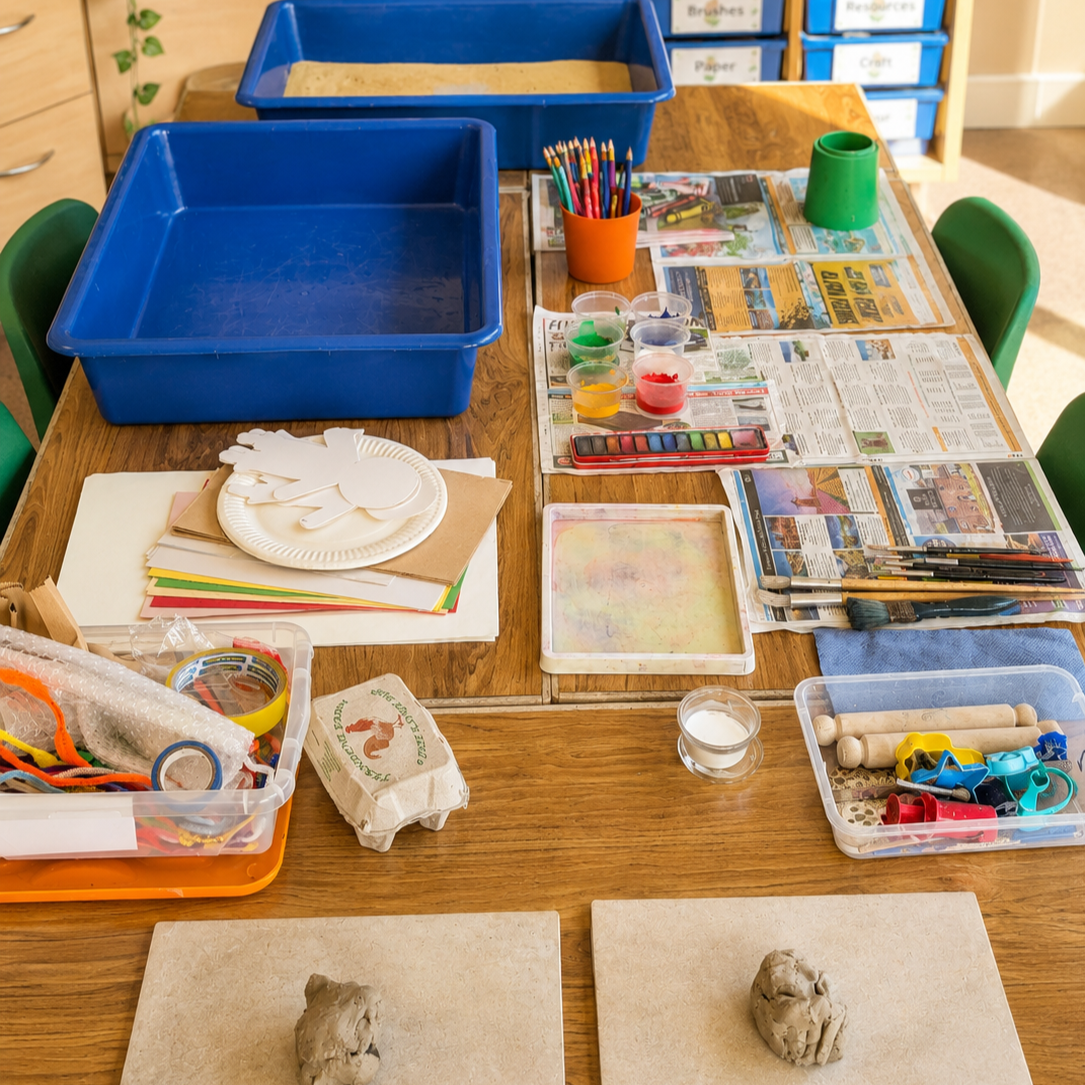
Play Therapy uses play, a child’s natural medium of self-expression, to support them in exploring their feelings and emotions. It uses a range of media such as: drawing and painting, sand tray and miniatures, water and clay, puppets, musical instruments and games. Children can use these tools to express themselves in ways they may never have found possible through words.
Addressing difficult emotions through play provides a layer of metaphor to what is being shared and felt, making it feel safer and less intense for a child to explore difficult emotions, feelings and behaviours, and find a safe way to express them.
The approach used is child-centred, always putting the individual needs of the child first, and has a focus on the importance of the child - therapist relationship to create therapeutic change.
1:1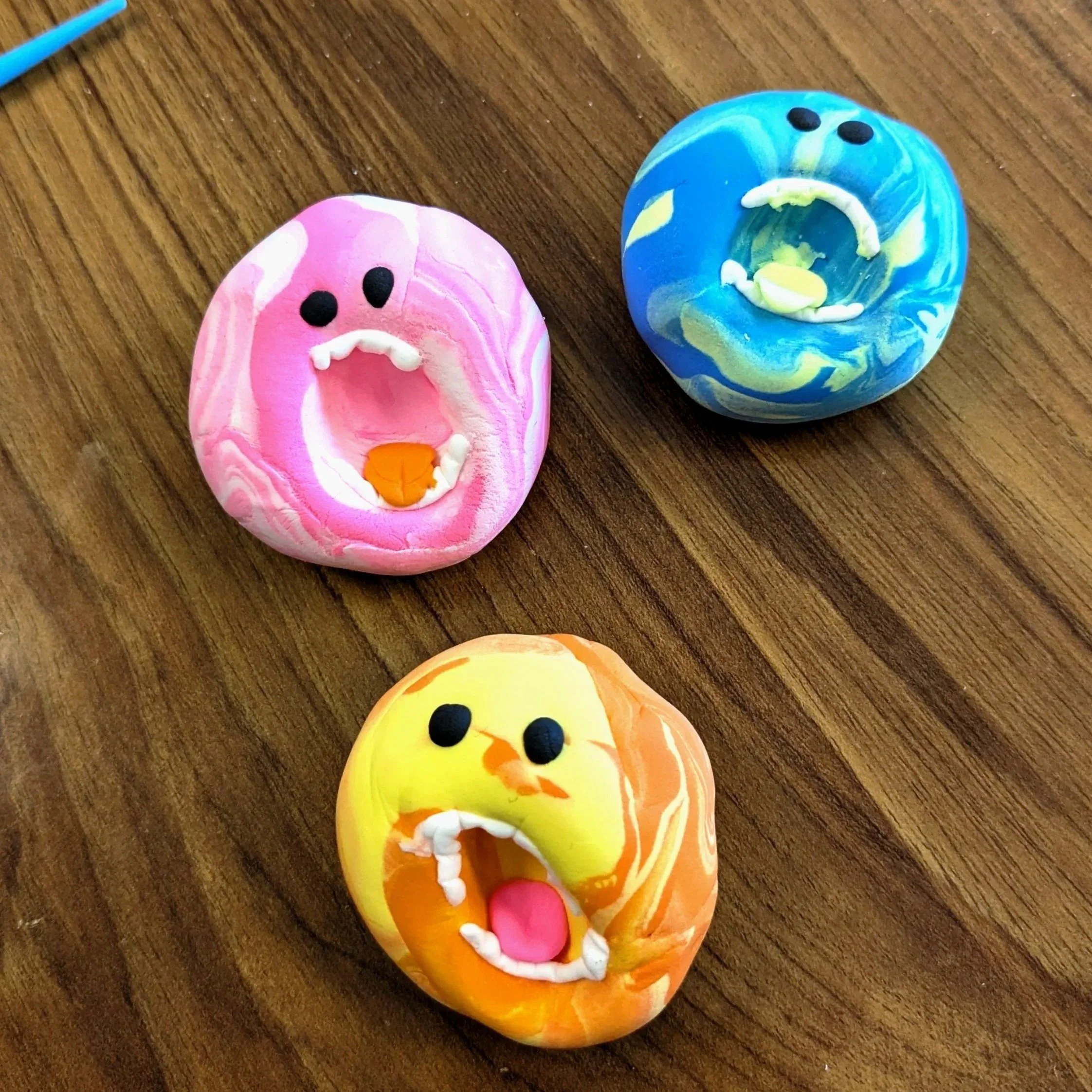
Group Play Therapy
Group Play Therapy benefits from the same consistency, structure and clear boundaries that are important when working therapeutically with individual children.
Group Play Therapy can be carefully structured around specific needs or referral concerns, providing targeted support for children who may have experienced loss, parental separation or divorce, bullying, difficulties forming and maintaining friendships, or low self-esteem.
The aim is to provide children with a safe and supportive space where they feel supported and fully accepted. A space where they can develop confidence, emotional awareness and resilience, whilst connecting with others who may be experiencing something similar.
3 to 4 children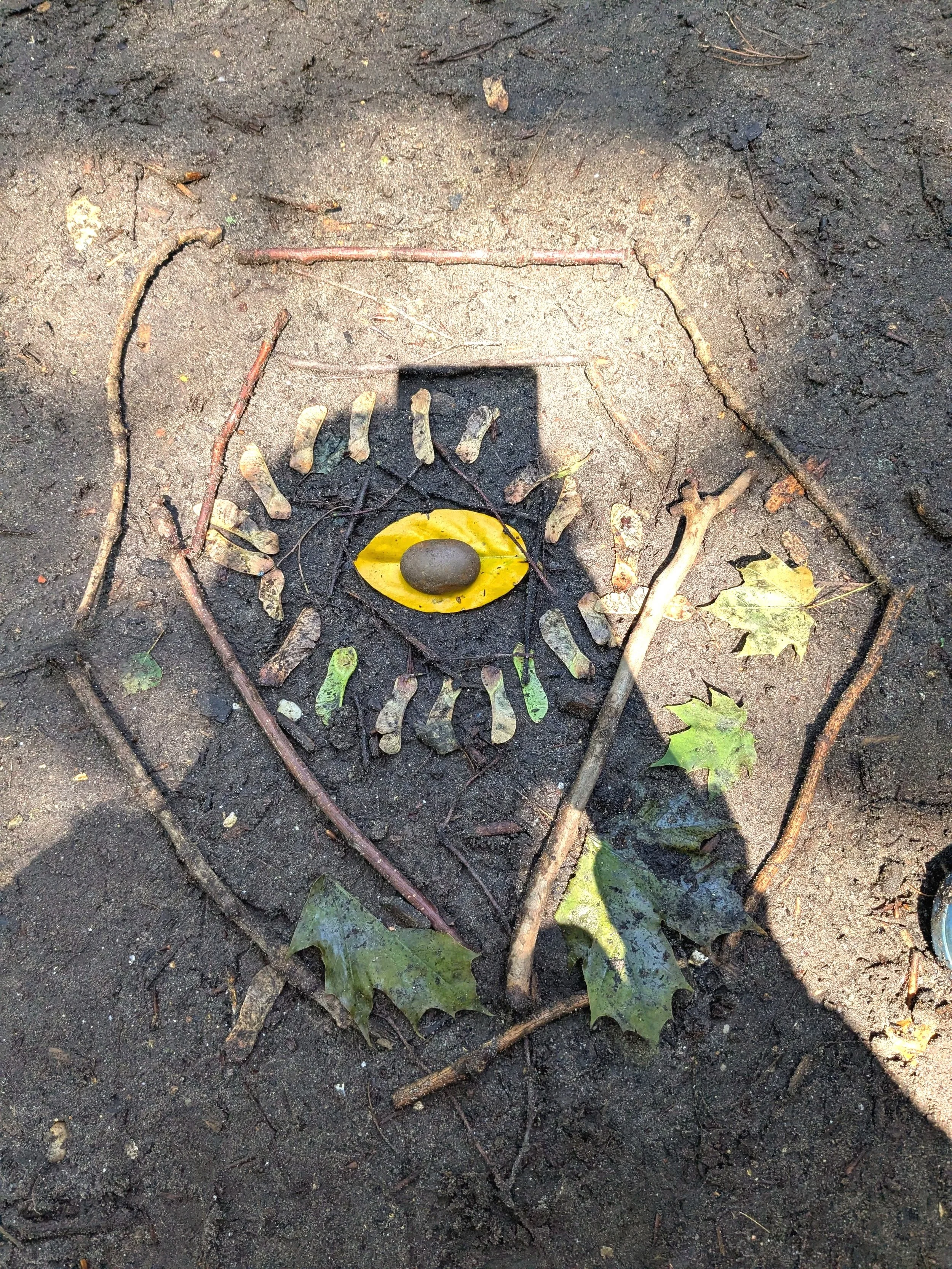
1:1 or group Nature - Based Play Therapy
Nature-Based Play Therapy combines the therapeutic benefits of Play Therapy with the calming and restorative qualities of the natural environment.
For some children, being outdoors can feel more natural and less pressured than sitting in a traditional therapy room. Nature provides opportunities for exploration, creativity, movement and sensory experiences, allowing children to communicate and express themselves through play in ways that feel comfortable and meaningful to them.
Children may use natural materials, imaginative play, art, storytelling and outdoor exploration to explore their emotions, experiences and relationships.Taylor shapes words and visuals that turn complex info into friendly moments.